Why Physiotherapy Is One of Sri Lanka’s Fastest-Growing Career Choices
Not long ago, when Sri Lankan students thought about healthcare careers, the conversation rarely went beyond medicine and nursing. Today, that conversation looks very different.
Across Colombo and beyond, physiotherapy courses have moved from a niche interest to a mainstream aspiration — among students, parents, and career-changers alike. The question everyone is asking: what’s driving this shift, and is physiotherapy the right path for you?
This guide breaks it all down honestly.
What Does a Physiotherapist Actually Do?
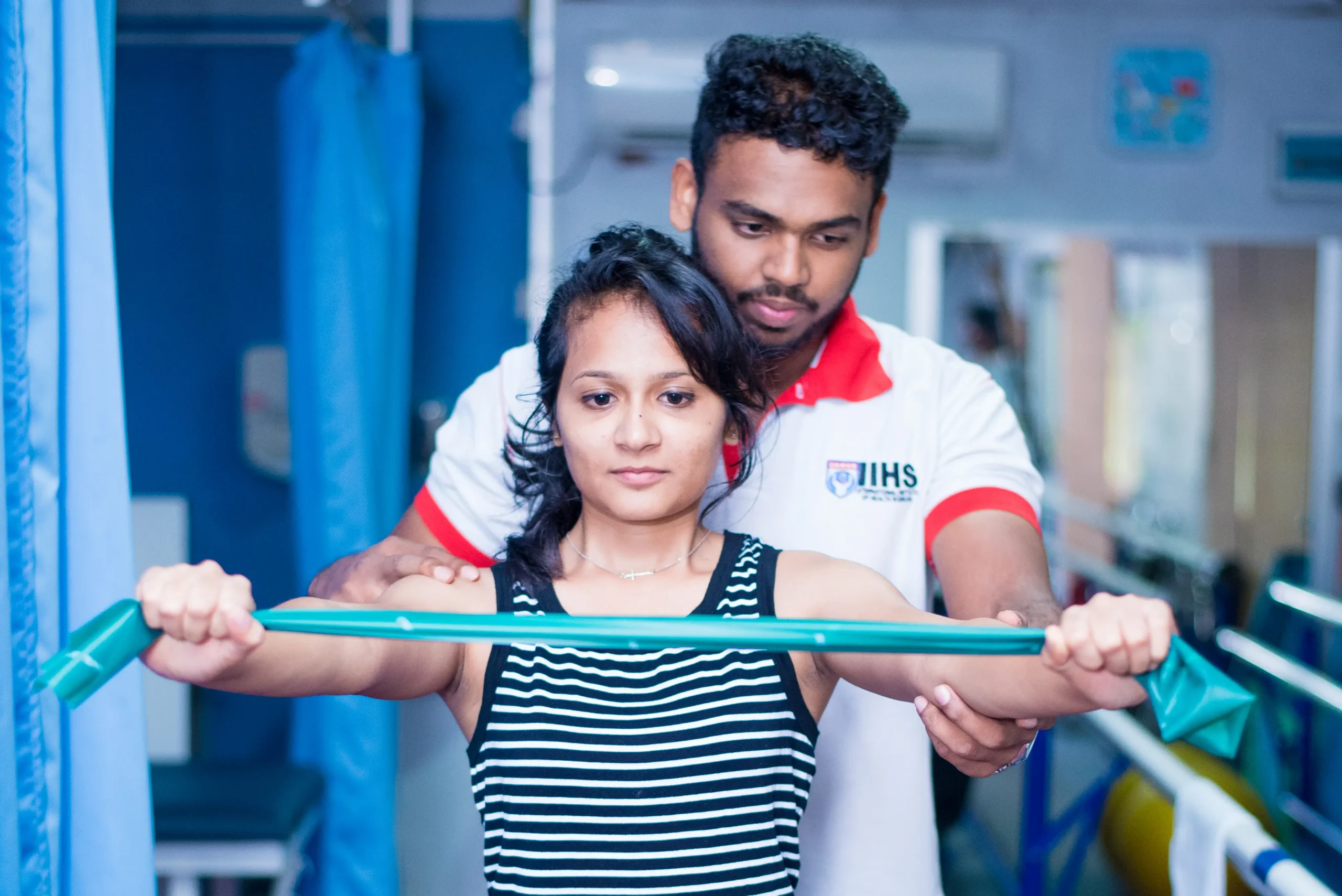
A physiotherapist helps people move, recover, and live without pain — usually without medication or surgery. That alone sets the profession apart in an era where patients increasingly want holistic, hands-on care.
Their patients range from stroke survivors learning to walk again, to office workers battling chronic back pain, to elite athletes recovering from ligament tears. Work settings are just as varied: public hospitals, private rehabilitation centres, sports facilities, corporate wellness programmes, and specialist schools for children with disabilities.
In short, physiotherapists sit at the intersection of science, empathy, and movement — and they are needed almost everywhere.
Why More Students in Sri Lanka Are Choosing This Path
- Demand Is Rising — and It’s Structural
Sri Lanka’s population is ageing. Department of Census and Statistics data shows the proportion of citizens over 60 is growing steadily, and with that comes an increasing need for rehabilitation — post joint replacements, stroke recovery, fall prevention, and pain management.
At the same time, lifestyle conditions are surging among younger people: sedentary jobs, poor posture, sports injuries, and diabetes-related complications are creating a new wave of patients who need ongoing physiotherapy. The result is a profession where qualified practitioners are consistently in demand, in both the public and private sectors.
It’s a Career Built Around Impact
- This may sound idealistic, but it’s genuinely one of the most commonly cited reasons students give for choosing physiotherapy. Modern graduates want work that means something — where they can see the results of their effort in real time.
- Physiotherapy delivers that in a very tangible way. Watching a patient who couldn’t lift their arm regain full movement, or seeing a sportsperson return to competition after a serious injury — these moments are what physiotherapy practitioners often describe as the heart of the job.
The Financial Outlook Is Strong
Physiotherapists in Sri Lanka are employed across government hospitals, private medical centres, and rehabilitation facilities. With experience, independent private practice becomes a viable and lucrative option.
In Colombo’s growing private healthcare sector and in sports medicine specifically, earnings are competitive. There’s also a well-established international pathway: Sri Lankan physiotherapists are actively recruited in the UK, Australia, Canada, and the Middle East, where the profession is in high demand.
You Don’t Need a Four-Year Degree to Start
- Many students are surprised to learn this. A rigorous, well-structured diploma programme can provide everything you need to enter the profession competently and confidently. This broadens access significantly — for school leavers who want to enter the workforce sooner, for those who prefer vocational training over academic degree routes, and for working professionals looking to pivot into healthcare.
- The key word, though, is rigorous. Not every diploma is equal, which is why choosing the right institution matters.
What Do Physiotherapy Courses in Sri Lanka Cover?
Quality programmes go well beyond classroom theory. A strong curriculum prepares you for the clinical reality of the job from day one. Look for courses that cover:
- Human anatomy and physiology
- Musculoskeletal physiotherapy
- Neurological rehabilitation
- Paediatric physiotherapy
- Electrotherapy and manual therapy techniques
- Supervised clinical placement
That final point — clinical placement — is non-negotiable. Physiotherapy is a hands-on profession. No amount of reading or classroom instruction can substitute for supervised real-world practice with actual patients. When you’re selecting physiotherapy training in Sri Lanka, the depth and quality of clinical placement should be one of your first questions.
Is Physiotherapy the Right Fit for You?
Here’s an honest way to think about it. Physiotherapy suits you well if:
- You’re interested in health and the human body
- You enjoy working directly with people
- You’re patient — recovery takes time, and so does building a patient’s trust
- You like problem-solving (no two cases are exactly the same)
- You want a career with both local and international opportunities
If you are looking for a career where you work at a desk or independently with little interaction with other people, it is not the best choice. At its very core, it’s a hands-on and people-centric profession.
A Few Things to Look for in a Physiotherapy Institute
Not all courses are equal, and the institution you choose will shape your career more than the certificate itself. Before enrolling, ask:
- Accreditation: Is the programme recognised by a credible professional or academic body?
- Faculty: Who are the lecturers, and what is their clinical and academic background?
- Practical hours: What is the ratio of practical to theoretical content?
- Clinical placement: Is it structured, supervised, and organised by the institute — or left to the student to arrange?
- Graduate support: Does the institute provide career guidance, industry connections, or alumni networks?
- These factors matter far more than a well-designed brochure or a low course fee.
Physiotherapy in Sri Lanka has evolved from a specialist niche into a respected, financially rewarding, and personally fulfilling career. The structural drivers — an ageing population, rising lifestyle conditions, growing private healthcare — mean that qualified practitioners will be in demand for years to come.
Whether you’re a school leaver weighing your options after A/Ls, a parent researching future pathways for your child, or a healthcare professional looking to specialise, physiotherapy deserves serious consideration. Explore IIHS’s Advanced Diploma in Physiotherapy to find out exactly what the programme offers and how to get started.