If you are planning to pursue the Advanced Diploma in General Nursing in Sri Lanka, understanding the entry requirements is the first and most important step. With healthcare demand growing locally and internationally, professional nursing education has become a highly respected and career‑focused pathway. One of the newest and most promising options available today is the Advanced Diploma in General Nursing (ADGN) offered at the IIHS campus in Wattala. As a leading institution specialising in healthcare education, IIHS has designed this programme to meet modern clinical standards and global healthcare expectations, preparing students for both local practice and international career progression.
Advanced Diploma in General Nursing (ADGN) – IIHS Campus
The ADGN programme at IIHS focuses on:
- Patient‑centred nursing care
- Clinical skills development
- Ethical and professional practice
- Evidence‑based healthcare training
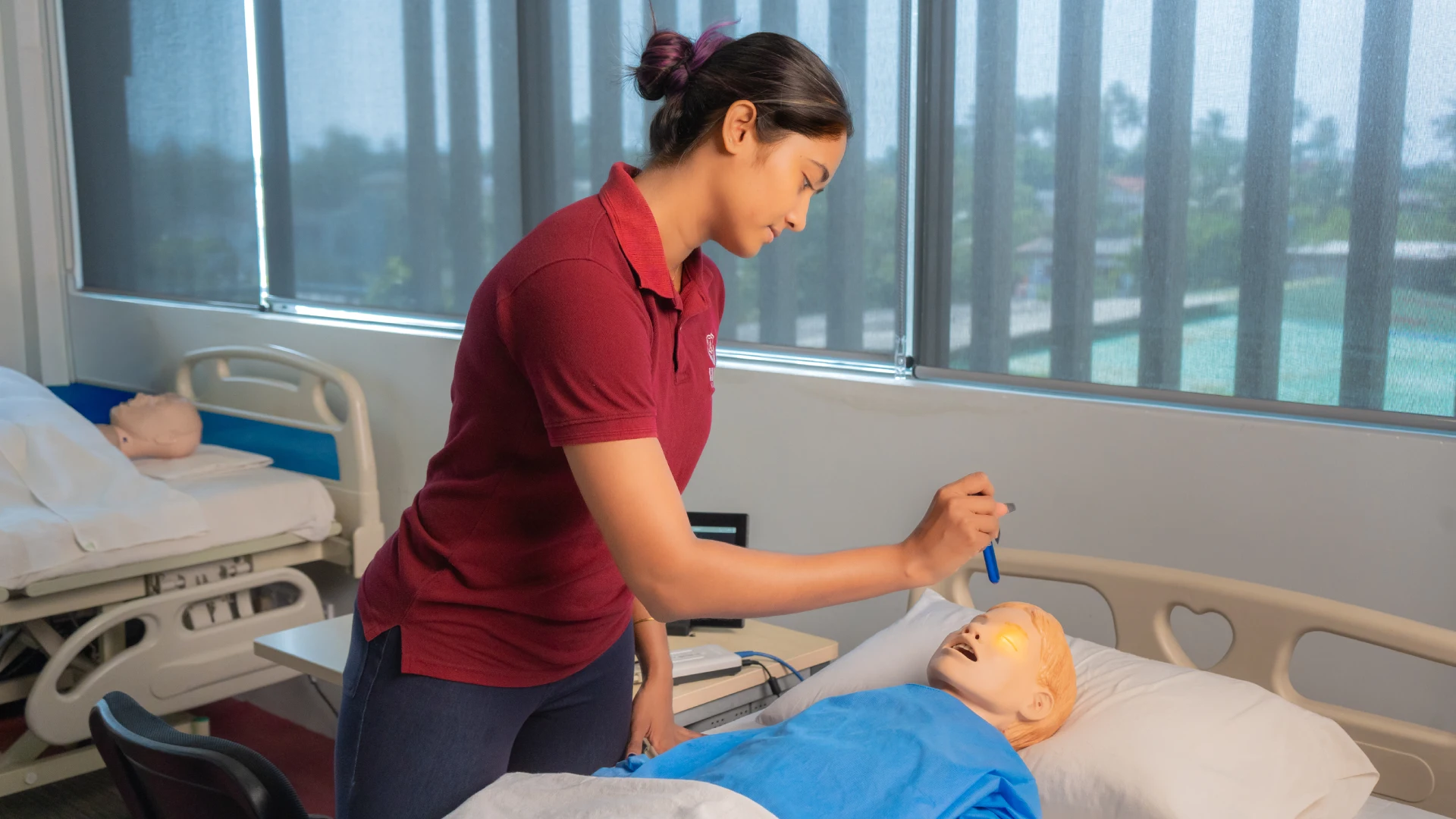
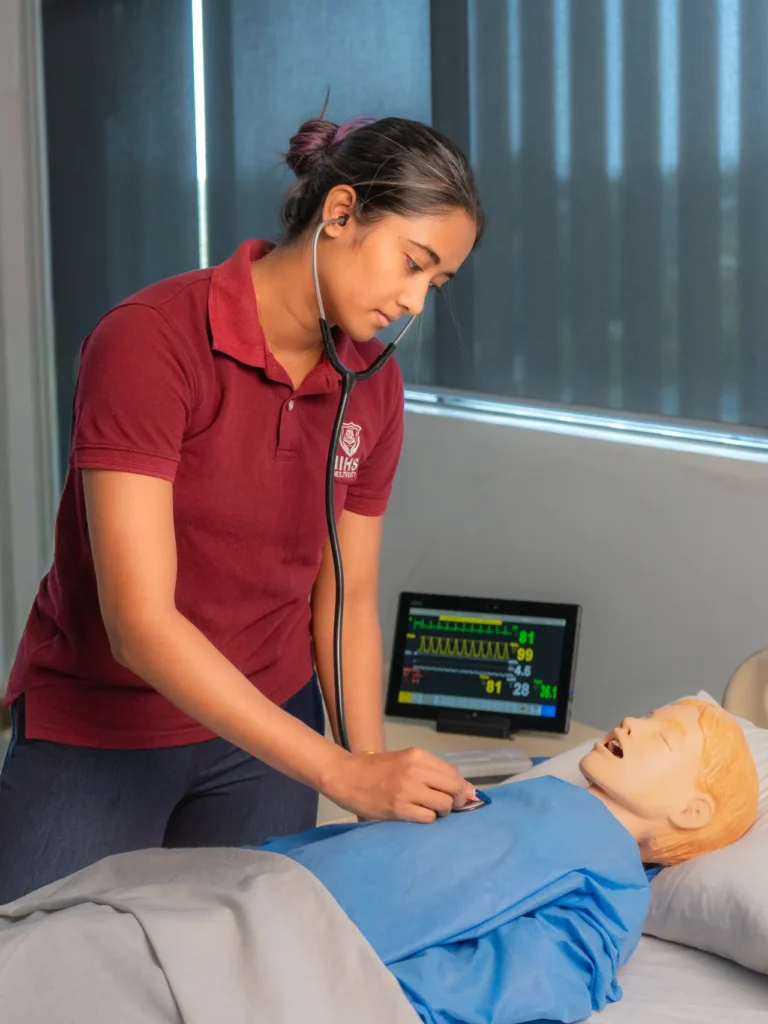
- Hands‑on experience through simulation and clinical placements
This newly launched course aligns with evolving healthcare industry needs and prepares
students for both local employment and international opportunities.
Detailed Entry Requirements for a Nursing Diploma in Sri Lanka
To enroll in the ADGN programme, applicants must meet the following requirements:
- G.C.E. Ordinary Level (Local or London) with a minimum of five passes including English and Science, with at least a C pass in English Language, or an equivalent qualification such as a recognized Pre-Foundation programme.
- Passes in G.C.E. Advanced Level in any stream or an equivalent qualification such as a recognized Foundation programme.
- Applicants with IIHS Foundation in Biological Sciences or IIHS International Foundation or another recognized foundation qualification equivalent to SLQF Level 3 or NVQF Level 5 are also eligible to apply.
What Makes the IIHS ADGN Program Unique?
- Global Study and Career Pathways
The programme provides recognized pathways for further education and career opportunities in countries such as Australia, the United Kingdom, and Finland, supporting students who aim for an international nursing career. - Extensive Clinical Training (50% Practical Exposure)
More than half of the programme focuses on hands on clinical training through simulation labs and real healthcare settings, ensuring graduates are job-ready. - Advanced Simulation-Based Learning
Students train using high-tech simulation environments that replicate real hospital scenarios, helping them build confidence and clinical competence before entering real healthcare settings. - Internationally Recognized Qualification
The programme is recognized by international bodies including the European Council, increasing the global value of the qualification. - Affordable Global Healthcare Education
Students can obtain internationally aligned nursing education at a significantly lower cost compared to studying abroad, making global healthcare careers more accessible. - Blended Learning with Advanced LMS
A modern Learning Management System allows students to access lectures, materials, and academic support anytime, enabling flexible and technology enhanced learning. - Industry Aligned Curriculum
The programme is designed to meet the current needs of modern healthcare systems, ensuring graduates are prepared for real-world clinical practice. - Patient-Centred Nursing Education
The curriculum emphasizes compassionate care, ethical practice, and patient safety key competencies required in modern healthcare environments. - Career Ready Training Approach
The programme combines academic knowledge, clinical practice, and professional development to produce competent nursing professionals - Research and Academic Development Opportunities
Students are encouraged to participate in research and present findings at local and international conferences, strengthening their professional profile. - Comprehensive Professional Skill Development
The programme integrates communication skills, teamwork, ethical practice, and evidence-based decision-making to prepare well rounded healthcare professionals. - Leadership and Professional Development Focus
Students develop leadership, teamwork, and decision-making skills necessary for multidisciplinary healthcare environments.
Career Pathways After Completing a Nursing Diploma
Upon completion, graduates are well-prepared to pursue a range of fulfilling roles in
healthcare settings, including:
- Hospitals: Assisting in surgeries, patient care, and treatment plans in acute care settings.
- Aged Care Facilities: Providing empathetic support and specialized care to elderly patients.
- Mental Health Services: Supporting individuals with mental health needs, contributing to their well-being and recovery.
- Rehabilitation Centers: Aiding patients in regaining independence and managing recovery following illness or injury.
- Community Care: Delivering personalized healthcare services to patients in their homes and within local communities.
Frequently Asked Questions (FAQs)
What are the minimum qualifications required for a nursing diploma in Sri Lanka?
Passes in G.C.E. Advanced Level in any stream or an equivalent qualification such as a recognized Foundation programme.
Is Biology compulsory to apply?
Biology is highly recommended because nursing programmes include scientific subjects. Applicants should check official admission criteria for confirmation.
Is English proficiency important for nursing studies?
Yes. Nursing education involves medical terminology and patient communication, making English proficiency essential.
Is the Advanced Diploma in General Nursing at IIHS a new course?
Yes. It is a newly introduced programme designed to meet modern healthcare standards and industry needs.
Are clinical trainings included in the programme?
Yes. One of the key strengths of the ADGN programme is its strong focus on practical clinical training. More than 50% of the programme includes hands-on experience, where students practice clinical skills in simulation laboratories and healthcare settings that replicate real hospital environments.
Can I work abroad after completing a nursing diploma in Sri Lanka?
Yes, Graduates may explore international opportunities in UK, Australia and Europe, by meeting the licensing and regulatory requirements of the destination country.
Conclusion
Choosing a nursing diploma in Sri Lanka requires careful consideration of entry requirements and institutional quality. The newly introduced Advanced Diploma in General Nursing at IIHS provides a structured, professionally designed pathway for students aspiring to build meaningful careers in healthcare. Prospective students are encouraged to review official admission criteria directly through the IIHS website and consult the admissions office for the most up‑to‑date information before applying.