
The Role of Laboratory Professionals in Disease Diagnosis
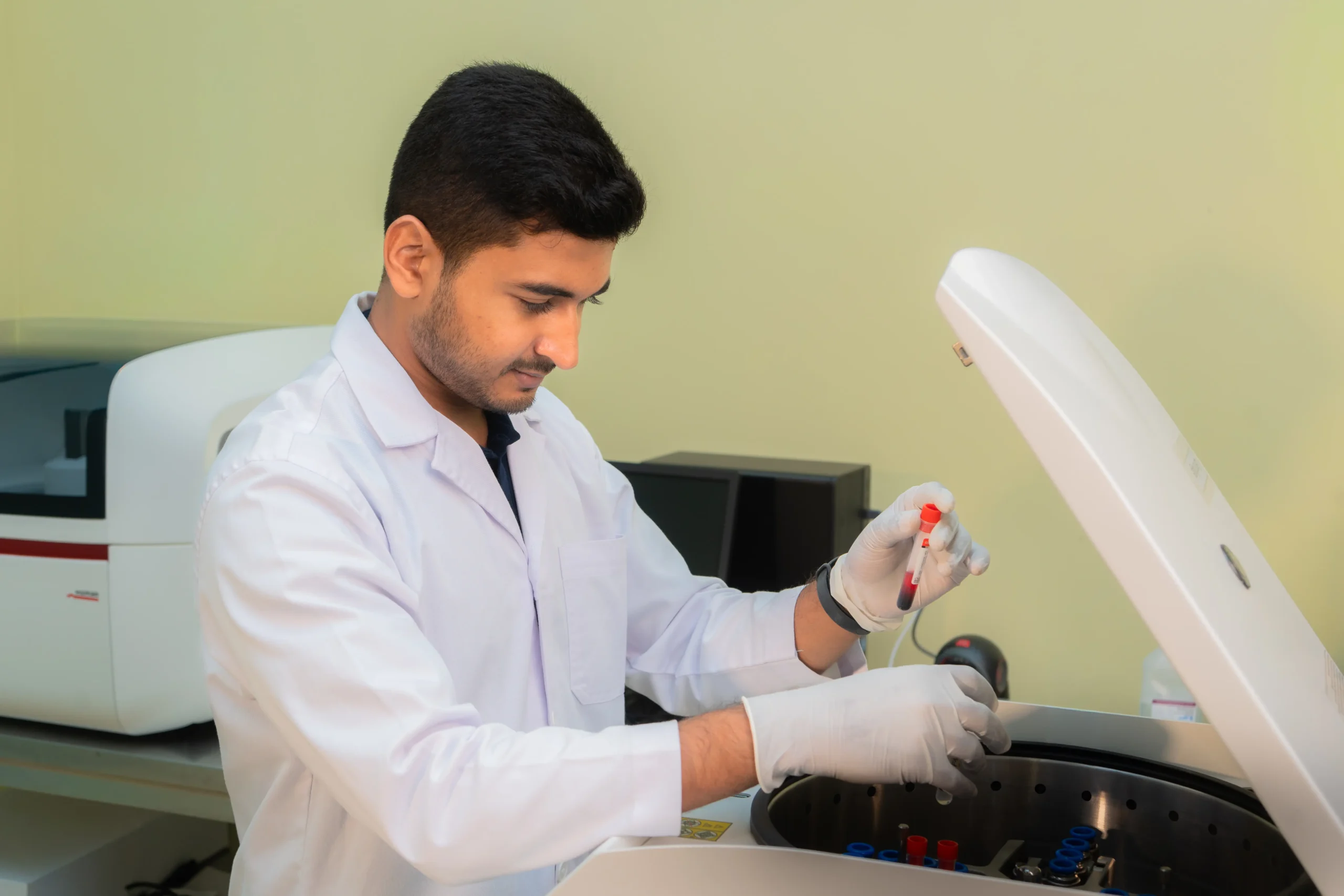
When you go to a hospital and a doctor orders a blood test or urine culture test, did you ever think about who gets to determine what’s wrong with you? It’s not always the doctor – sometimes others. Behind each accurate diagnosis is a lab professional engaging in a very important, yet rarely discussed activity. Although their work is often behind the scenes, laboratory professionals play a vital role in safe, accurate and timely patient care. It is fair to say that they are the backbone of the healthcare system, but most people don’t really know much about what they do.
Who Is a Laboratory Professional?
A laboratory professional, otherwise referred to as a laboratory technician or medical laboratory scientist, is a qualified professional who takes samples from clients and analyses them in the laboratory. Samples like blood or urine could be collected. The results they provide assist doctors in determining a patient’s condition and recommending treatment.
They may not be the white-clad healthcare professional you meet first, but they are often the professionals operating analysers, examining slides, checking results and ensuring that reports are reliable.
How Laboratory Professionals Help Diagnose Disease
This is where things get really interesting. A doctor can suspect a disease based on symptoms, but the lab result is what confirms it. Take a look at these major areas where lab workers can make a direct impact.
Blood Testing and Haematology
The most common task for a lab professional is analysing blood. A full blood count can detect anaemia, infections, blood clotting disorders and even some forms of cancer. If a trained individual were not to operate and understand these tests, then doctors would essentially be guessing.
Microbiology and Identifying Infections
If the patient is suffering from fever and possible bacterial infections, culture tests are performed on their samples in order to know which pathogen is responsible for the condition. The timely detection of any infections is vital to patient care and public health care in Sri Lanka. Culture tests and microbiological investigations can assist in determining which organism is causing the infection.
Histopathology and Cancer Diagnosis
Biopsy samples collected from patients are taken to the lab for further processing. The samples will be stained in the lab before being viewed by a pathologist using a microscope. During the process of histopathology, biopsy samples undergo staining and examination under the view of professional pathologists. The accuracy of preparation of samples is important as it allows pathologists to recognise abnormal cells.
Clinical Chemistry
This includes tests such as blood glucose, kidney function, liver enzymes, and cholesterol tests. These are standard tests, but very significant. Blood sugar testing needs to be regular for the treatment of patients with diabetes. This is important as accurate results require proper specimen collection, calibration of instruments, quality control, and laboratory technicians.
Blood Banking and Transfusion Medicine
Blood for transfusions needs to be tested and typed before administration. The role of laboratory professionals is to help type the blood for matching and test the blood for any TTIDs, such as HIV and hepatitis infections. This is one of the most important roles since mistakes may lead to adverse results.
Why Accuracy Matters So Much
A single misreading of a lab value results in a misdiagnosis, which results in the wrong treatment. A patient may be given a drug to which he or she is not a good candidate or may not be given the drug that the patient really needs. A laboratory error can delay diagnosis, lead to inappropriate treatment or affect patient safety. This is why training, quality control, documentation and ethical responsibility are central to laboratory science.
This is why the training of professionals in the laboratory is very important. Merely knowing how to handle the instruments in the lab is not sufficient. Individuals operating in the laboratory setting should have a good understanding of various aspects such as sample quality and unusual test results.
The Demand for Laboratory Professionals in Sri Lanka
The health sector in Sri Lanka has been expanding steadily, but still seems to lack qualified personnel in its laboratories within the hospitals and clinical settings. With the growth of technology, training in practical aspects with quality-control and digital skills could make graduates more suited for opportunities that are available.
What Laboratory Science Courses Cover
A good laboratory science course is not simply a course in learning how to operate machines. It includes information about human biology, disease processes, sample collection methods, laboratory safety, quality control and the working environment of a clinical laboratory.
It is essential that students receive supervised hands-on experience with laboratory equipment, specimen handling, biosafety measures, documentation standards, and quality control methods so that they will be ready to undertake on-the-job training.
For those who are residents of Colombo and are thinking about a career in the healthcare sector, laboratory science is one of the best options you can choose. It provides a stable career, definite progression opportunities and the intrinsic satisfaction of knowing that your efforts are directly helping patients to recover.
A Career That Truly Matters
Many people opt for healthcare because they want to make a difference in caring for patients. Laboratory science provides that opportunity through accurate testing, responsible reporting and behind-the-scenes clinical support. Each of these diagnoses and each of the prescriptions of the proper antibiotic, each of those safe blood transfusion saving lives, each time, a lab worker played an important role in the result.
It is a job that is all about accuracy, accountability and real contribution to people’s well-being. It’s a job in high demand these days.
If you are interested in a hands-on healthcare career, speak with IIHS about laboratory science courses in Sri Lanka, entry requirements and available progression pathways.
Frequently Asked Questions
What qualifications do you need to become a laboratory professional in Sri Lanka?
Entry requirements differ according to qualification type and awarding institution. Students must confirm if there are any O/Ls, A/Ls, science requirements, English language proficiency, previous healthcare experience or other entry requirements before applying.
Is laboratory science a good career option in Colombo?
Colombo is home to many healthcare institutions that may require laboratory science skills. This includes laboratories, diagnostic centres, and hospitals. The suitability of such a career depends on the qualification, experience, registration and employer requirements.
What does laboratory testing tell the doctor about the patient’s treatment?
Laboratory testing plays a very big role in the diagnosis of any disease and its subsequent treatment. When one uses the correct lab test, he or she gets a proper diagnosis and subsequently, a proper treatment plan.
Is it possible for laboratory professionals to specialise in one certain field?
Definitely, there are employment opportunities available for laboratory professionals like haematologists, microbiologists, blood bankers, clinical chemists and histopathologists.