
How to Become a Registered Nurse in Sri Lanka
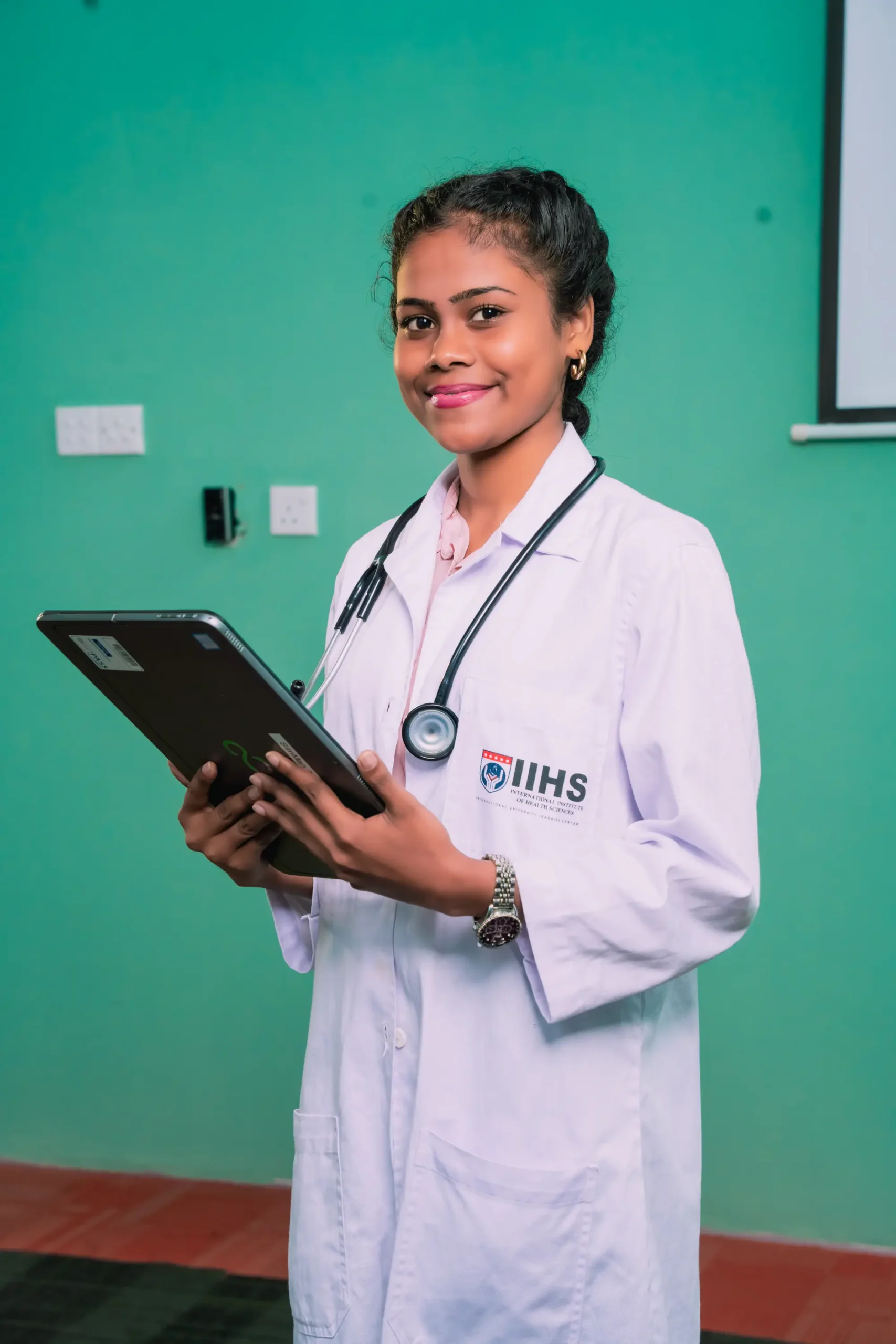
Nursing is one of the most interesting and enjoyable career pathways in the health service and making a career as a Registered Nurse not only provides demanding job responsibilities but also offers excellent career opportunities in the present and the future, anywhere around the globe and specifically in Sri Lanka.
Let us take a step into what a registered nurse in Sri Lanka really represents, the courses to study, how to select the best, what the steps for registration with the Sri Lanka Nurses Council (SLNC) entails.
Why Choose a Nursing Career in Sri Lanka?
A strong demand for experienced and skilled nurses currently exists in Sri Lanka and the professional nurse will continue to form a key part of high-quality health care provided to both the public and private sectors in the country. A nursing career in Sri Lanka has several specialities, is financially rewarding and allows an individual to impact lives on a daily basis.
Beyond Sri Lanka, opportunities for working in other countries will present themselves as the qualification in nursing is recognised globally. As nurses working for the state will be paid at the respective salary scale, nurses working in the private sector will earn at different salary rates.
Entry Requirements for Nursing Courses in Sri Lanka
Any student who wants to enrol in any nursing program will have to fulfil some basic academic prerequisites. The following are the criteria most nursing schools in Sri Lanka consider:
- A/L qualification – most programmes require students to have sat for their Advanced Level examination, preferably in the Science or Biology stream.
- O/L passes – 5 O/L credits are usually mandatory, including English, Maths and Science.
- Age – a minimum of 18 years is normally mandatory.
- Medical fitness – Some medical fitness checks are conducted while admitting students for the course in most of the institutions.
The above requirements are subject to changes depending on the institution, so it is recommended to verify the actual requirements with the corresponding institution in Sri Lanka, where you are opting to complete your course.
Types of Nursing Qualifications Available in Sri Lanka
In Sri Lanka, there are two different ways to become a registered nurse. This is by taking a diploma course or a degree course. The decision is based on your career aspirations and the study timeframe.
Diploma in Nursing in Sri Lanka
A Diploma in Nursing in Sri Lanka has a duration of 3 years and is divided into theoretical and practical components. It is the most popular pathway to become a nurse. The diploma is offered in Government schools of nursing under the Ministry of Health and in certain private schools. On successful completion of this program the student can register and sit for the SLNC registration examination.
BSc Nursing Sri Lanka
In Sri Lanka, there is a four-year BSc in nursing degree. This aims to broaden students’ medical and scientific knowledge with much more of a emphasis on research and also has much more practical clinical exposure. This degree is available at various private and university nursing colleges nationwide, some even within Colombo. Such a degree can equip students with the knowledge to be higher clinical posts, management positions or for further postgraduate study.
Registering as a Nurse with the Sri Lanka Nursing Council
Once you have graduated with your nursing degree/diploma, you will then have to register with the Sri Lanka Nursing Council (SLNC). Registration with SLNC is a compulsory requirement to legally practise as a nurse in Sri Lanka.
Underlined below is the process;
- Complete your nursing programme – finish your accredited diploma or degree from a recognised institution.
- Apply to sit the SLNC licensing examination – this written and practical exam tests your clinical knowledge and skills.
- Pass the examination – candidates who pass are added to the official nursing register maintained by the Sri Lanka Nursing Council.
- Receive your registration certificate – this is your licence to practise as a registered nurse in Sri Lanka.
- Renew your registration: SLNC registrations must be renewed periodically to remain valid.
Going through the formal nursing registration process in Sri Lanka gives students an added advantage: having their nursing qualifications registered overseas by the SLNC if they wish to work overseas in the healthcare industry.
Top Nursing Colleges in Sri Lanka
Choosing a school is perhaps one of the key decisions you’ll make throughout your career as a nurse. Whatever nursing school in Sri Lanka you wish to enrol in, there are a number of points you may like to consider: SLNC accreditation, quality of clinical attachment, faculty experience, student pass rate, and infrastructure.
Government Nursing Schools are under the Ministry of Health and are suited for students who can’t afford or fund fee-charging nursing schools. Generally, government nursing schools provide a free or a low-cost nursing program. There may be difficulty in enrolling in the government schools as the intake is fixed per session and the number of seats are very limited. However, there are some private nursing colleges in Colombo that have later admission dates as they are linked to the teaching hospitals and it is better for the students who are employed to study at the same time.
Make sure that the nursing program you have opted for is included in the SLNC-approved list. The lack of a school’s approval by the SLNC is a point that cannot be overstated because you will not be able to register with the SLNC once you finish the course if your selected school is not accredited by the SLNC.
How Long Does It Take to Become a Registered Nurse in Sri Lanka?
The duration of it depends on whether the student chooses to take up a 4-year nursing degree or a 3-year nursing diploma course.
Career Prospects and Nursing Jobs in Sri Lanka
Registered nurses in Sri Lanka may have employment in many fields. Work opportunities for nurses in Sri Lanka exist within corporate health services, community health programs and public and private hospitals. Post graduate diplomas or degrees are available for those who wish to specialise, namely in fields such as critical care, midwifery, child care nursing, mental health nursing and so forth.
If you wish to find work abroad as a nurse you need to first register with SLNC. Sri Lankan nurses are much in demand throughout the Middle East, the UK, Australia and other countries throughout Asia. Training of nurses in Sri Lanka is to the same international standard which means that nurses trained in Sri Lanka are well equipped to secure nursing posts abroad.
Take the First Step Towards Your Nursing Career Today
By finding and accessing the right support, training and assistance, becoming a Registered Nurse in Sri Lanka is definitely attainable. Whether a school leaver exploring your choices in Colombo or seeking to change your career to the field of healthcare, the correct Nursing course will lead you along the correct path. Initial contact with an admissions adviser is the best way to start you on the path to the nursing course you require in order to achieve your nursing goals. Pay a visit to IIHS and learn what our nursing programme offers today.